Zero Waste Lifestyle - A Beginner's Guide to Eco-Friendly Living
Zero Waste Beginner's Guide
In an age where environmental concerns are at the forefront of global discussions, adopting a zero waste lifestyle can be a transformative step towards sustainability. This guide aims to provide beginners with practical tips and insights on how to minimize waste, reduce environmental impact, and embrace a more eco-friendly way of living. By making small, conscious changes in daily habits, anyone can contribute to a healthier planet.
Understanding the Zero Waste Lifestyle Concept.
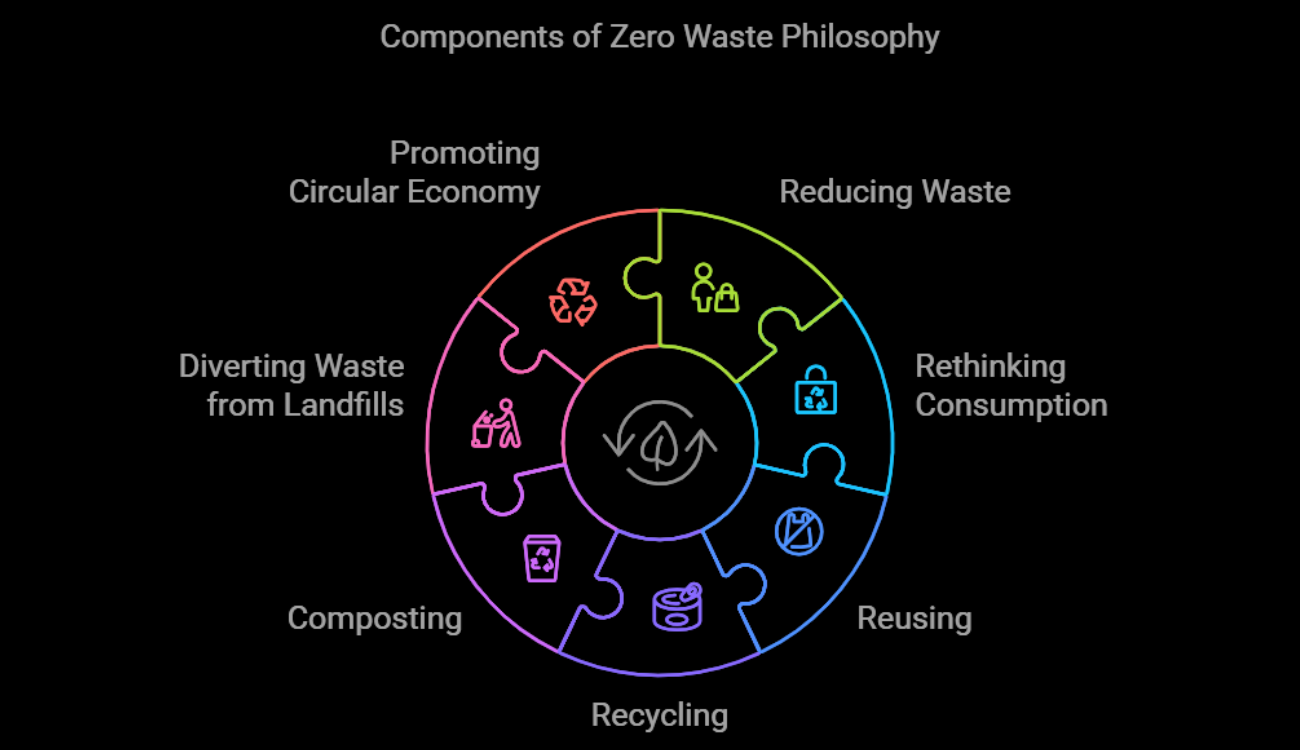
The zero waste lifestyle philosophy revolves around the idea of reducing waste to the absolute minimum. It encourages individuals to rethink their consumption habits, focusing on reusing, recycling, and composting rather than discarding items. The ultimate goal is to divert waste from landfills and promote a circular economy where resources are reused and repurposed.
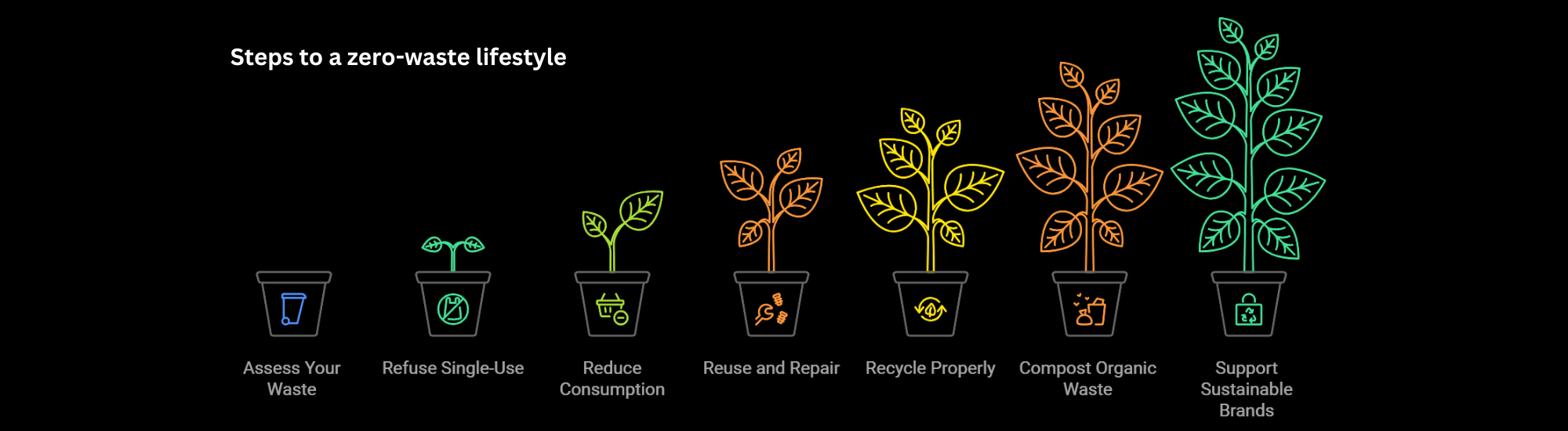
Steps to Start Your Zero Waste Journey.
1. Assess Your Waste.
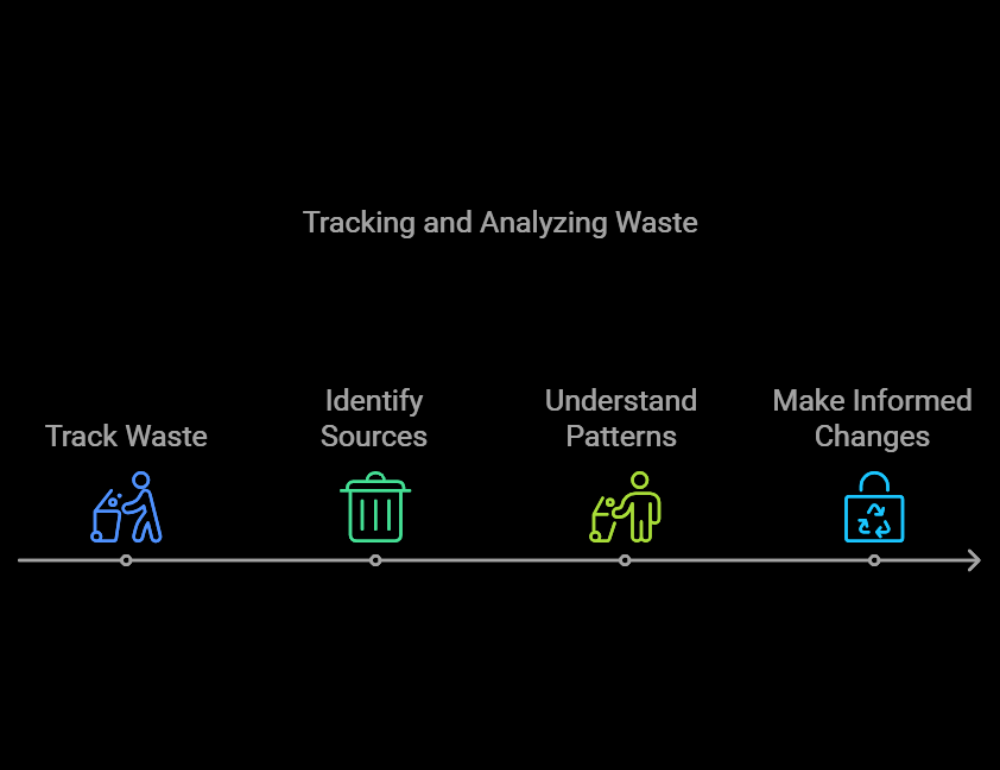
Begin by tracking the waste you produce over a week. This will help you identify the main sources of waste in your life, whether it's food packaging, single-use plastics, or disposable items. Understanding your waste patterns is crucial for making informed changes on your zero waste lifestyle.
2. Refuse Single-Use Items.
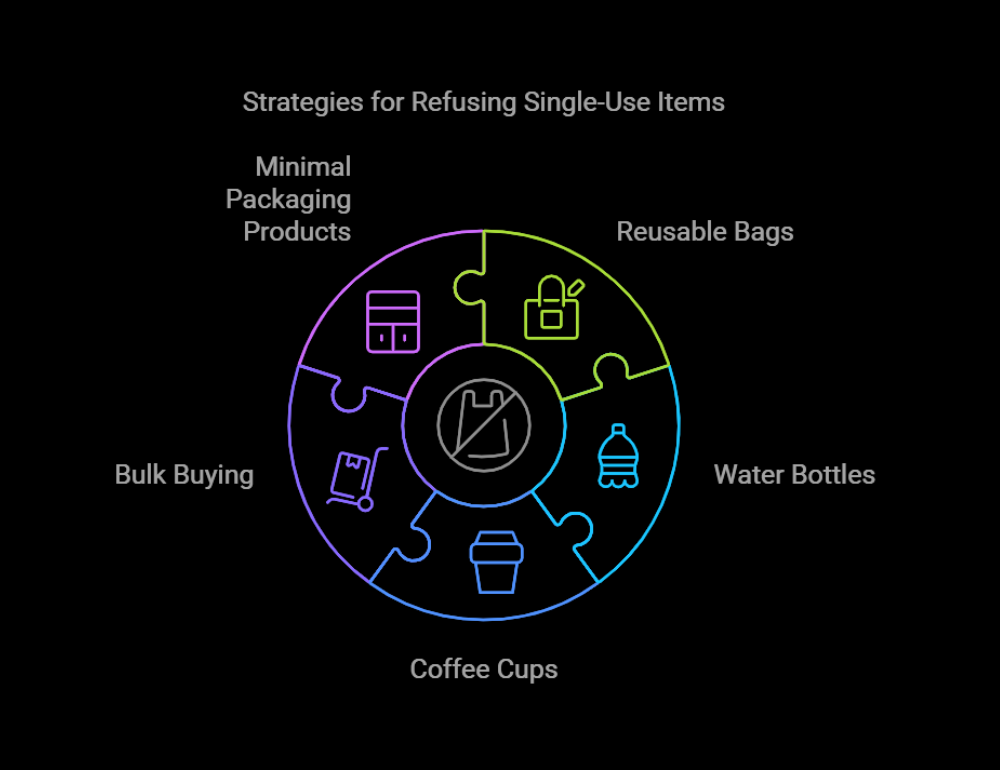
One of the easiest ways to reduce waste is to refuse single-use items. Carry reusable bags, water bottles, and coffee cups with you. Opt for bulk buying to minimize packaging and choose products with minimal or no packaging whenever possible.
3. Reduce Consumption.
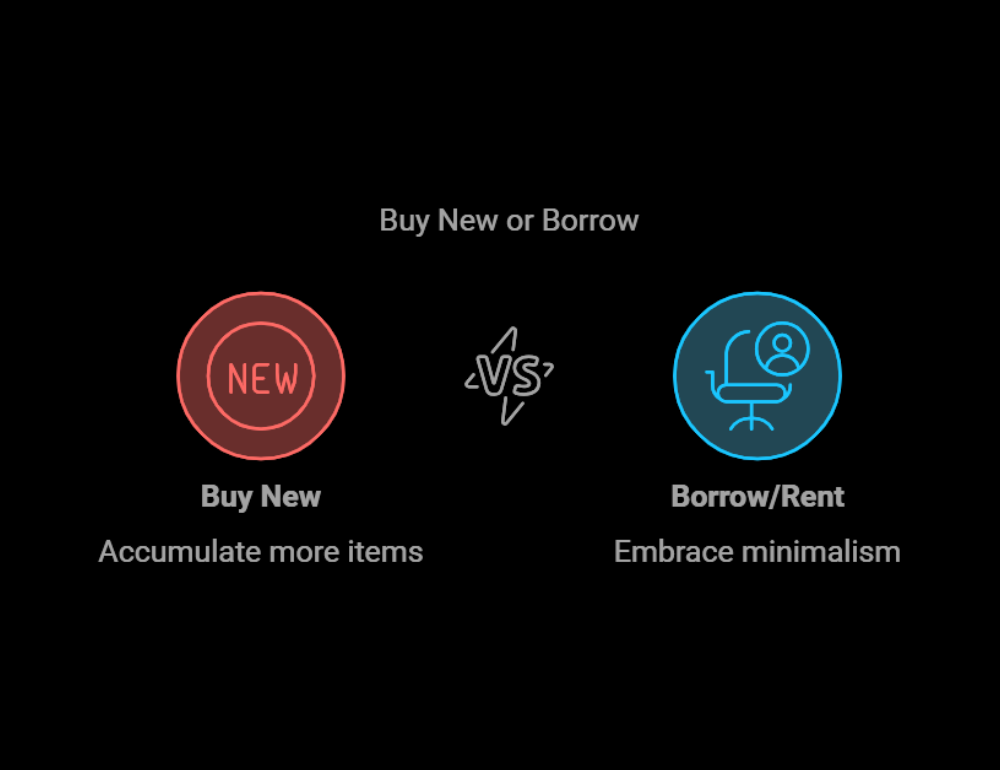
Before making a purchase, ask yourself if you truly need the item. Embrace the zero waste lifestyle and adopt minimalism by decluttering your space and focusing on quality over quantity. Consider borrowing, renting, or buying second-hand items instead of new ones.
4. Reuse and Repair.
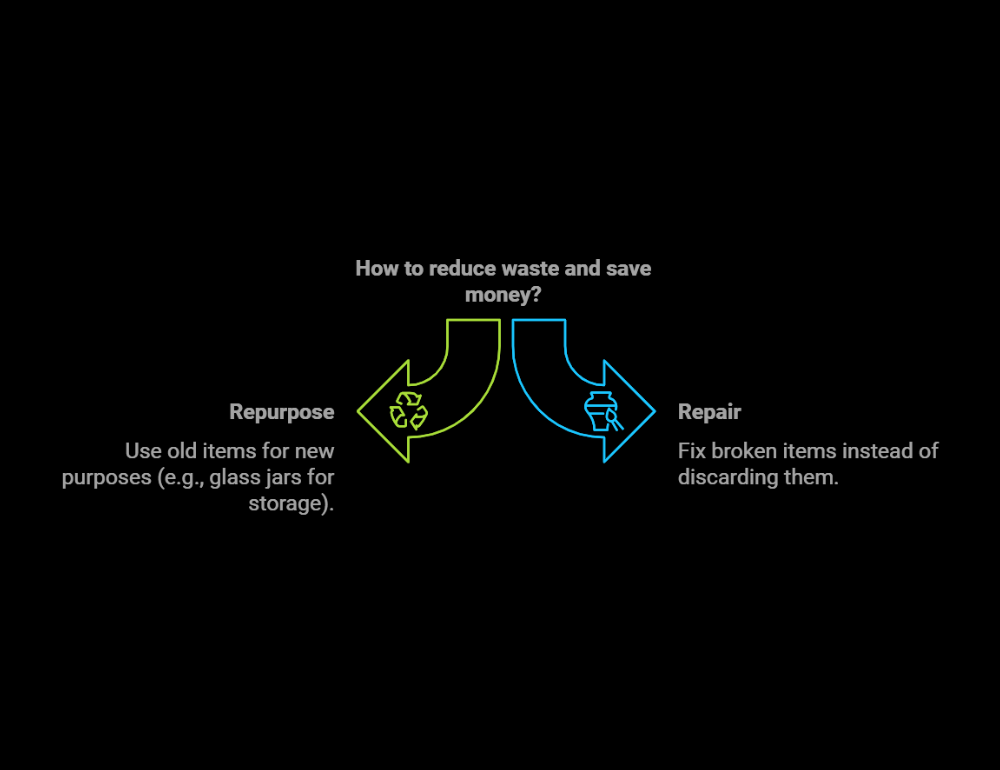
Get creative with reusing items. Repurpose glass jars for storage, use old t-shirts as cleaning rags, or repair broken items instead of discarding them. This not only reduces waste but also saves money, and is a great start on your zero waste lifestyle.
5. Recycle Properly.
Educate yourself on your local recycling guidelines. Ensure that you are recycling correctly to avoid contamination.
Remember that not all materials are recyclable, so focus on reducing and reusing first.
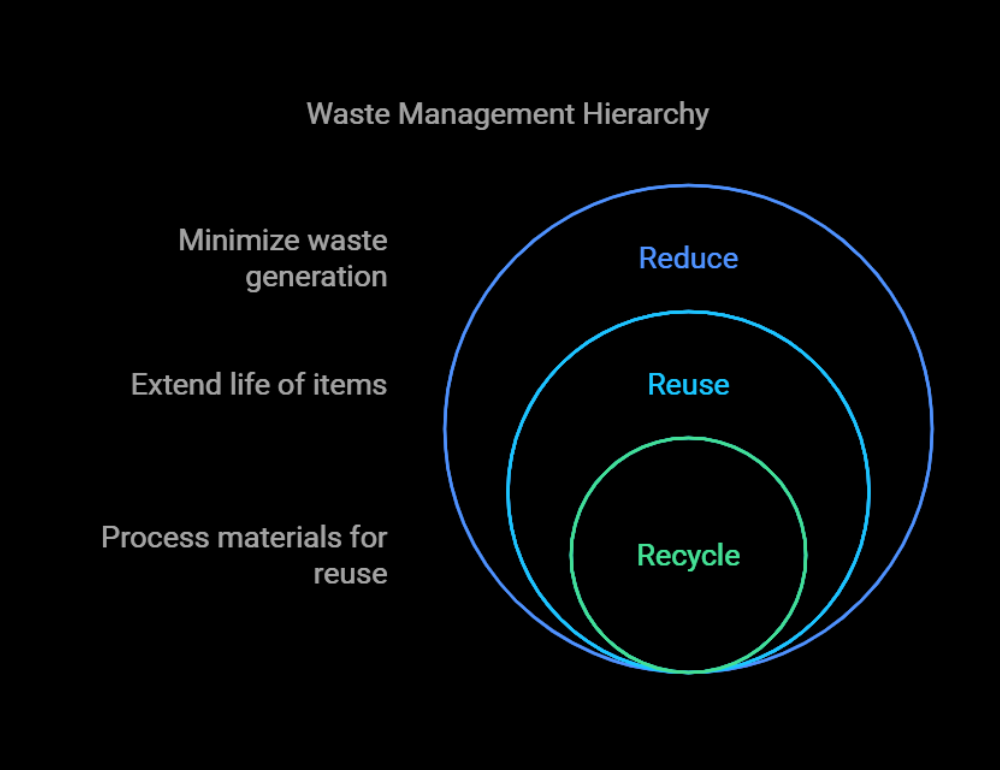
In the hierarchy of waste management aim to reduce first, then reuse and finally recycle.
6. Compost Organic Waste.
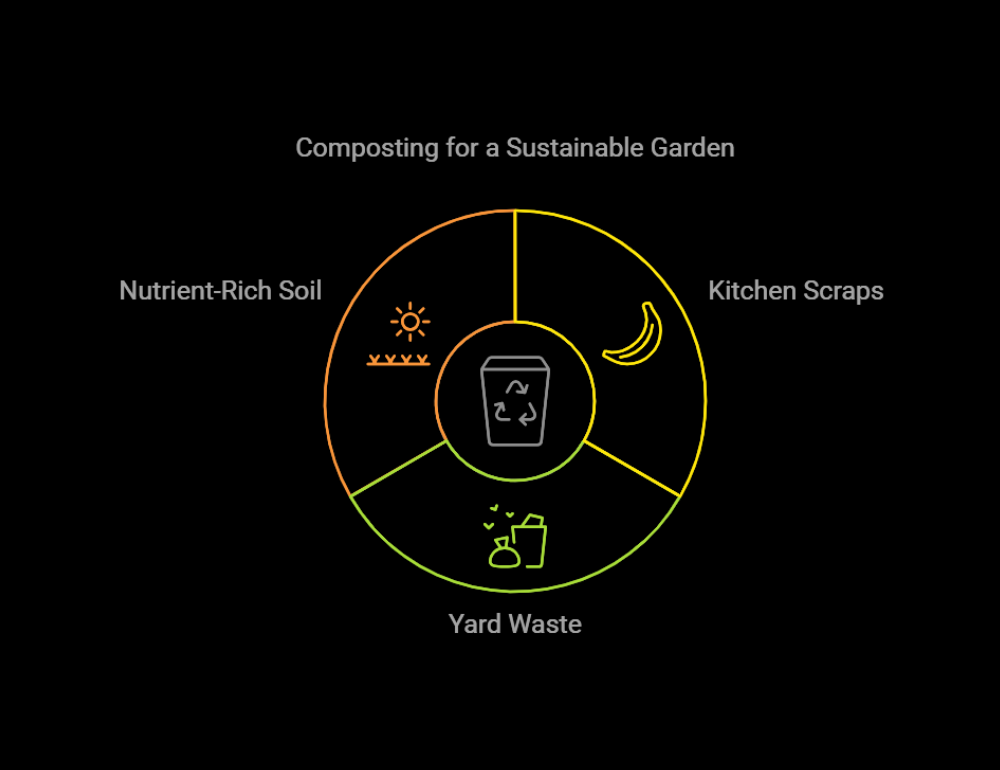
Composting is an excellent way to reduce food waste. Set up a compost bin for kitchen scraps and yard waste. This not only diverts waste from landfills but also creates nutrient-rich soil for gardening.
7. Support Sustainable Brands.
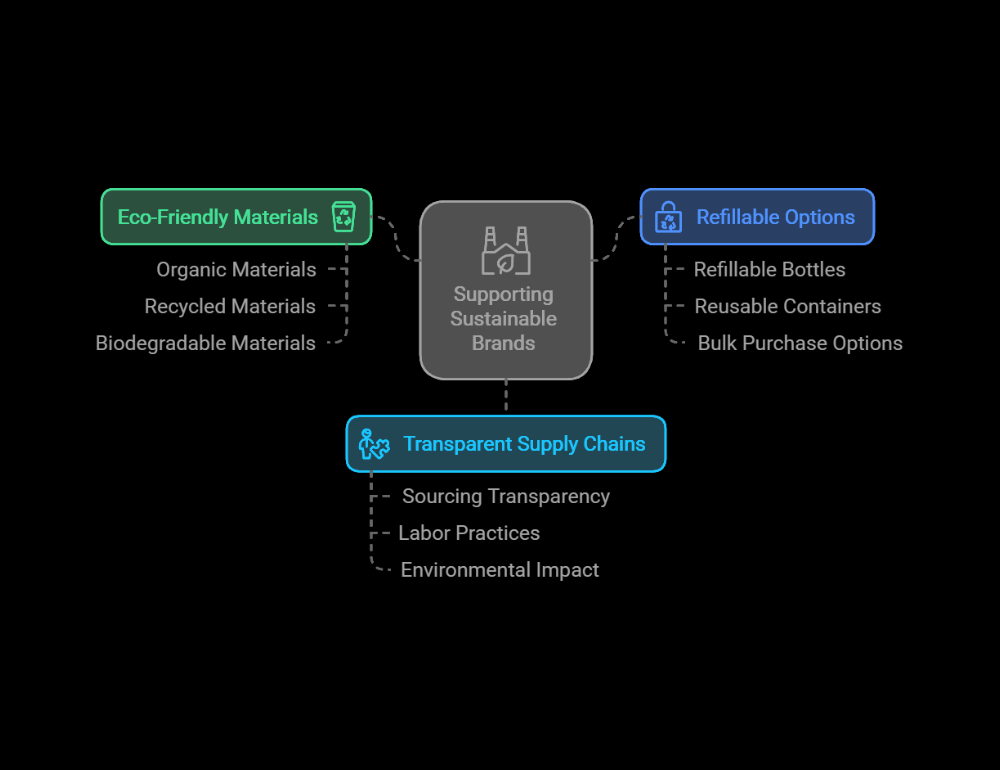
Choose to support companies that prioritize sustainability and ethical practices. Look for brands that use eco-friendly materials, offer refillable options, and have transparent supply chains.
Building a Zero Waste Community.
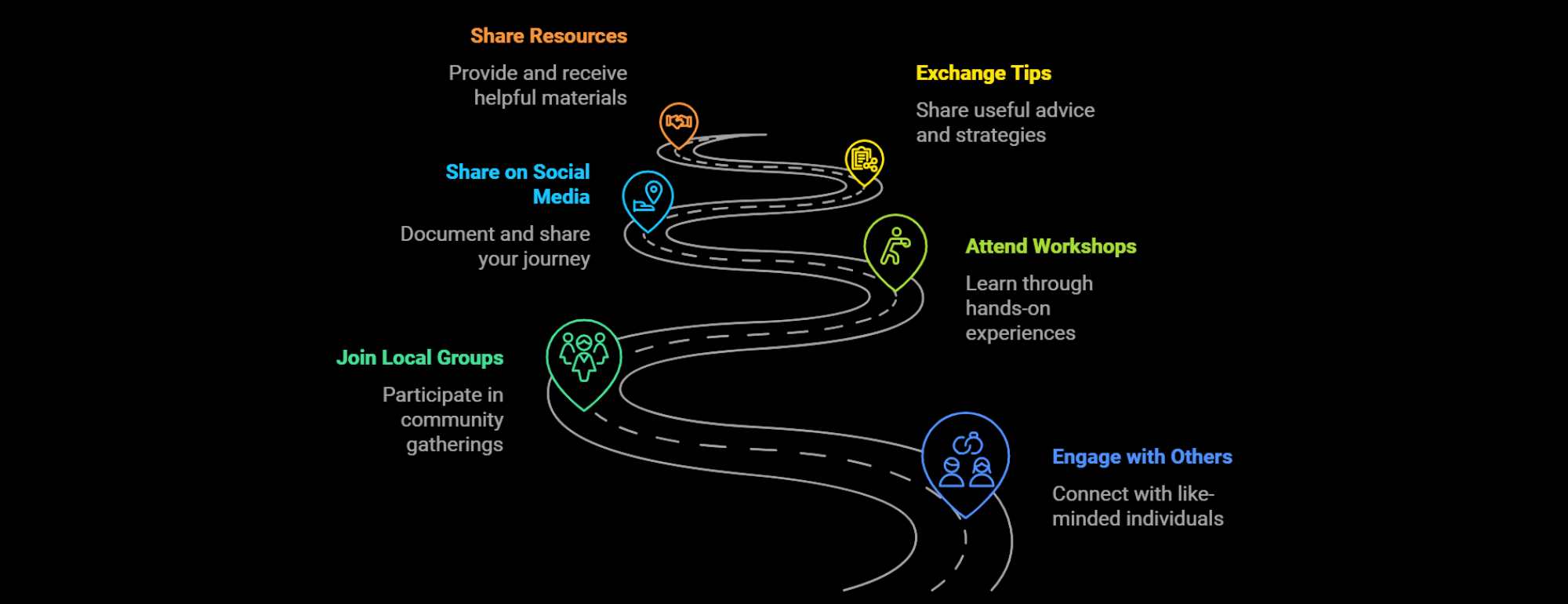
Engaging with others who share your commitment to a zero waste lifestyle can provide support and inspiration. Join local groups, participate in workshops, and share your journey on social media. Together, you can exchange tips, resources, and encouragement.
Conclusion.
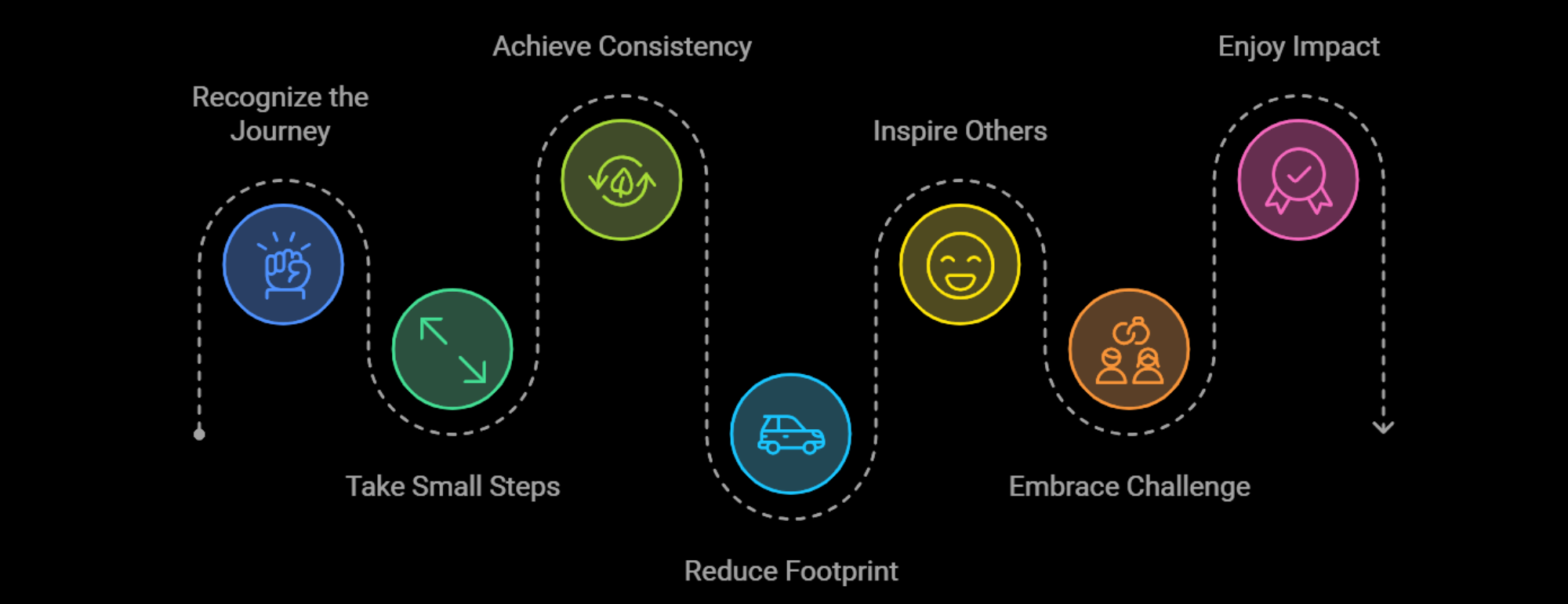
Transitioning to a zero waste lifestyle is a journey that requires patience and commitment. By taking small, consistent steps, you can significantly reduce your environmental footprint and inspire others to do the same. Remember, every little effort counts in the fight against waste and pollution. Embrace the challenge and enjoy the positive impact you can make on the planet.